Summary
In the gaming world, a developer is only as good as their last game. That goes for franchises, too. Every game has the potential to flop and break the back of the company that produced it. Even the biggest titles in the industry are not exempt. However, the good news is that it only takes one good game to put a series back into an audience’s good graces.
Whether left in the dust by the bad reviews of a previous entry or simply dwindling into obscurity in a changing world, few get to enjoy a comeback, and even then, fewer still manage to keep on their feet for more than a few rounds.

TheResident Evilseries was on its deathbed around the time ofUmbrella Corp, but it was also far away from its “death home,” or any of the domestic horror that it had become famous for. The series had moved away from the household horror genre after the success of Resident Evil 4, a more action-oriented and tongue-in-cheek entry.
However, fans felt the series had lost its way until the franchise crawled itself out of the grave withBiohazard, a return to form,which put players on the defensive and had them navigate a creepy housefilled with genuinely frightening (but toned down) monstrosities within.

In the dawning era of gaming, this demon-ripping classic coined an entire genre of video games. Id Software appeared to have captured a genie in a bottle after the 1993 release ofDOOM, but only a couple of sequels later, the genie seemed to have been lightning all along.
AfterDOOM 64, even a Dwayne “The Rock” Johnson-led motion picture couldn’t reignite the fires of rage. However, in 2016, upon the release of the gamethat fans consider one of the best in the series' history, the flames of hell burned bright once again, asDOOM’s undying spirit was masterfully cocked and loaded into a BFG and fired into the hearts of gamers everywhere, old and new.

Once a game series is rebooted, it’s pretty much over for the previous continuity. However, with the advent of 2013’sDmC: Devil May Cry, an outpouring of outrage by fans (somewhat justified by the success of Devil May Cry 4, the one before the reboot) was enough to force the series back on course with the main series.
DmC wasn’t all that bad, but it didn’t hit quite like the original series had. And so, in 2019, fans were thrilled to see the numbered series returnwith all the flourish, power, and style they had known beforebut with more variety, action, and style than before.

To the average gamer in the 90s, video games without Lara Croft seemed almost unimaginable. However, after more games than Lara could count on her artifact-filching fingers, the franchise grew stale, and the fabledTomb Raidername faded quietly into obscurity.
That is, until Lara’s grand redesign. Her more realistic depiction and a totally revamped and cinematic approach to moment-to-moment gameplay led Lara back into the light.WhileShadow of the Tomb Raiderdid her no favors, the original trilogy reboot indicates that there is still interest in seeing the young billionaire loot graves and sacred or cultural heritage sites for pleasure and glory.
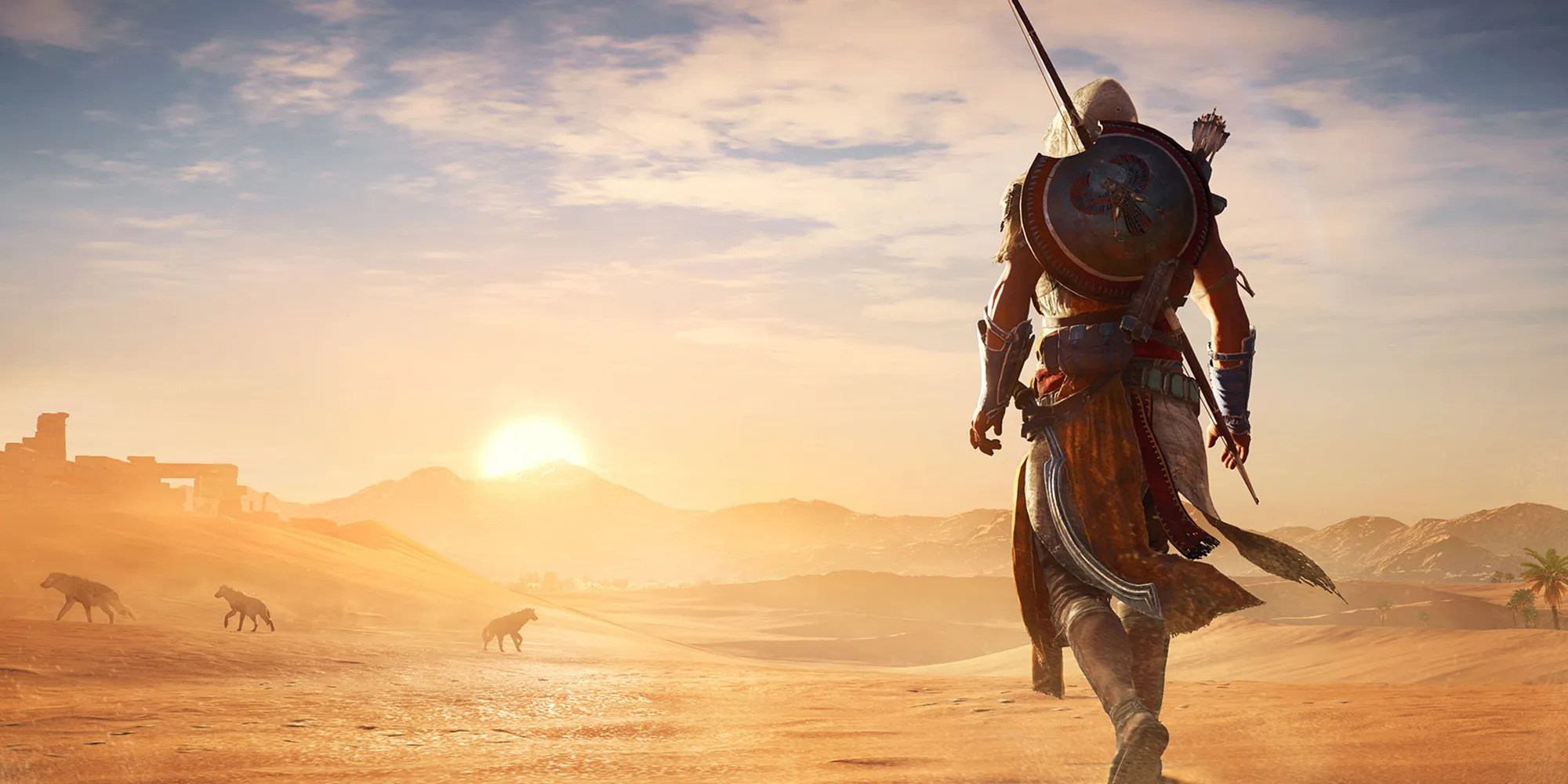
Imagine being a developer forAssassin’s Creed, with your bosses expecting a game to be shipped every single year. That was the reality for Ubisoft developers all the way up toAssassin’s Creed: Rogue. The high expectations and short time to experiment or polish each entry began to affect sales.
And so the developers were given a two-year development period and a chance torecapture the magic with a soft reboot, set long before any of the previousAssassin’s Creedstories.Originstook a more “play as you like” approach by introducing skill trees and incremental progression for good measure.

3Mortal Kombat (2011)
Video games have been around for a long time now, at least by mortal standards. It may come as a surprise that there was a time whenMortal Kombatwas looked upon as “old hat” between the time that it was the most hilariously violent fighting game around (bane of concerned parents everywhere) and the most exceptionally in-depth blunt-force trauma simulator around, as it is today.
Before fans could gleefully watch a jawbone be pulverized to dust via X-ray (as if being able to seethe regular skin-deep ultra-violence wasn’t brutal enough) inMortal Kombat(2011), the series had lost interest from fans. The (time-travel) reboot punched back in force with a new engine in 2.5D space and a story that managed to engage the old-schoolers and bring new fans to the arena.

While the originalCrash Bandicoottrilogy was a triumph in gameplay, technology, and sales, the series never quite touched the bar in terms of quality in later entries. Many teams tried, and many failed to reach the fans' expectations. Many Crash Bandicoot fanatics agree thatIt’s About Timeis the best game since the original three concluded.
It’s About Timewas launched, in part, at least, thanks to the remake of those first golden three in theN. Sane trilogy. Vicarious Visionshit the proverbial remake nail on the head, as Crash looked fresh and played perfectly, as he did in his first three outings.

1XCOM: Enemy Unknown
While the original 90s XCOM entries were hardly a blockbuster in terms of sales, they were highly popular with its fans. After a decade in the dark, Firaxis launched Enemy Unknown, lifting many of the elements that made the originals such hits while giving the overall experience a modern makeover.
WhileThe Bureaualmost killed the resurgence before it managed to get on its feet (moving from studio to studio in development hell), thankfully, Firaxis managed to help XCOM up and made it the beloved turn-based tactical gem it is known for today.
MORE:The Most Expensive Games Ever Made (& How Much It Cost To Make Them)
